When someone goes missing, every second counts. Our drones scan large areas in minutes and capture sharp thermal imagery that shows heat even in the dark, supporting law enforcement, rescue teams, and private search groups.
Equipped with the DJI Matrice 4 Thermal: a thermal imaging camera that doesn't rely on visible light, a high-powered spotlight for wide-area night and poor-weather coverage, AI-powered detection that flags shapes and movement a person might miss, and a loudspeaker system to communicate from the air.
A drone doesn't replace a ground team. It tells the ground team where to walk, and it does it in minutes rather than hours.
Large areas swept for heat signatures, working in full darkness where visible-light search stops entirely.
The aerial view fed to incident command as it happens, so tasking decisions are made on current information.
Onboard detection flagging shapes and movement a tired operator scanning a screen at 2am would miss.
A high-powered spotlight to illuminate ground teams or a subject, and a loudspeaker to communicate from the air once someone is found.
Areas covered, tracks flown, and imagery retained, so a search can be documented and handed over between shifts.
Thermal
Works without visible light
AI
Shape & movement detection
Part 107
Certified & insured
When someone is missing, the value of an aerial asset decays fast. Everything about how this runs is built around getting airborne quickly and feeding command directly.
Last known position, terrain, what the subject was wearing, and what the ground teams have already covered. The aircraft goes where the search hasn't been.
BriefAirspace cleared and deconflicted with any manned assets already searching, then launched from a point that puts the aircraft over the priority area fastest.
DeconflictSystematic thermal coverage of the assigned area with AI detection running, spotlight available to mark anything found for the ground team.
Thermal · AIFindings passed to incident command live, areas covered logged, and the loudspeaker used to make contact once a subject is located.
LiveThis is support work. It runs under whoever is already in charge of the search.
Wide-area thermal sweep for missing persons and suspect searches, with live imagery to whoever is coordinating on the ground.
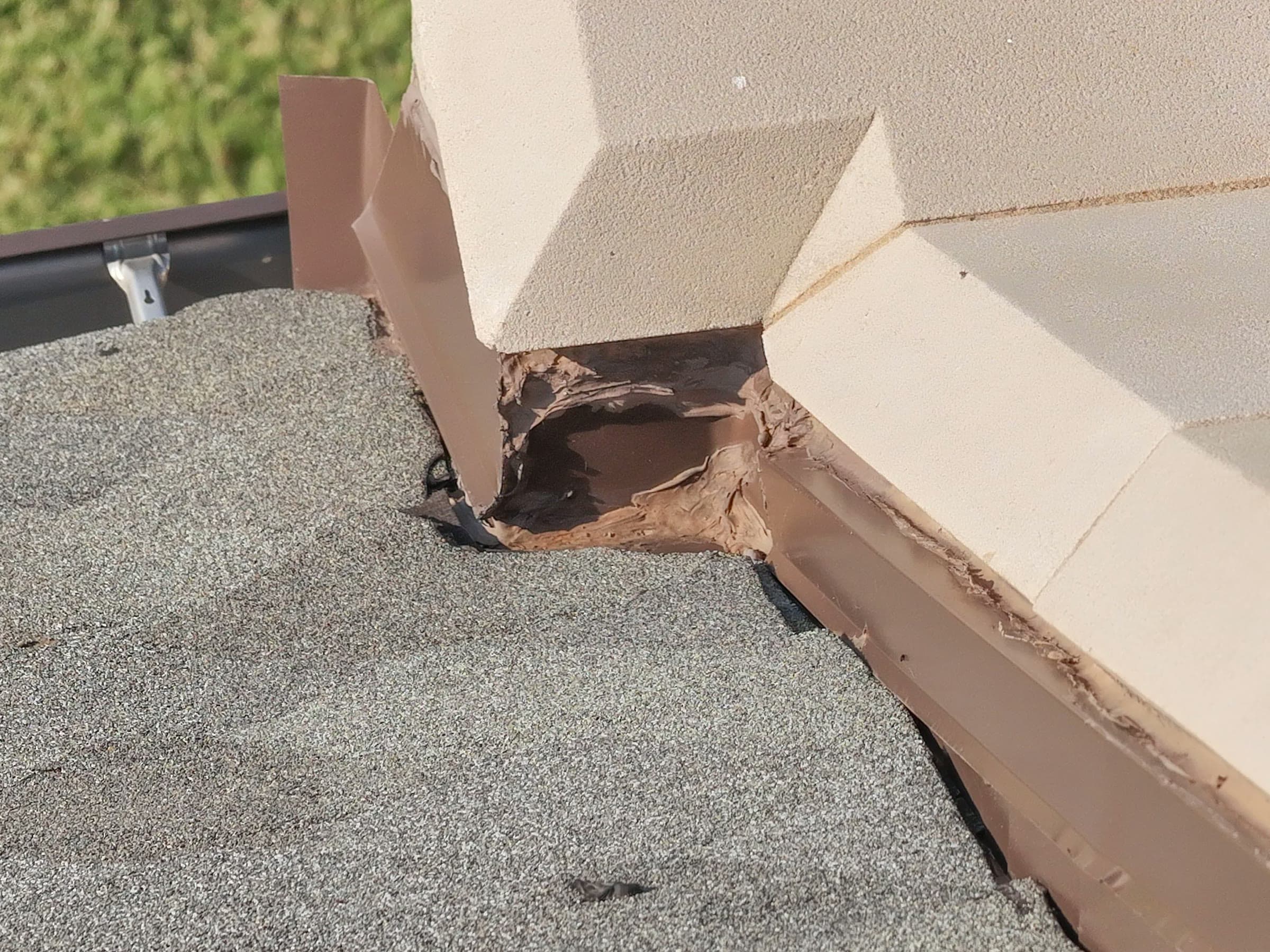
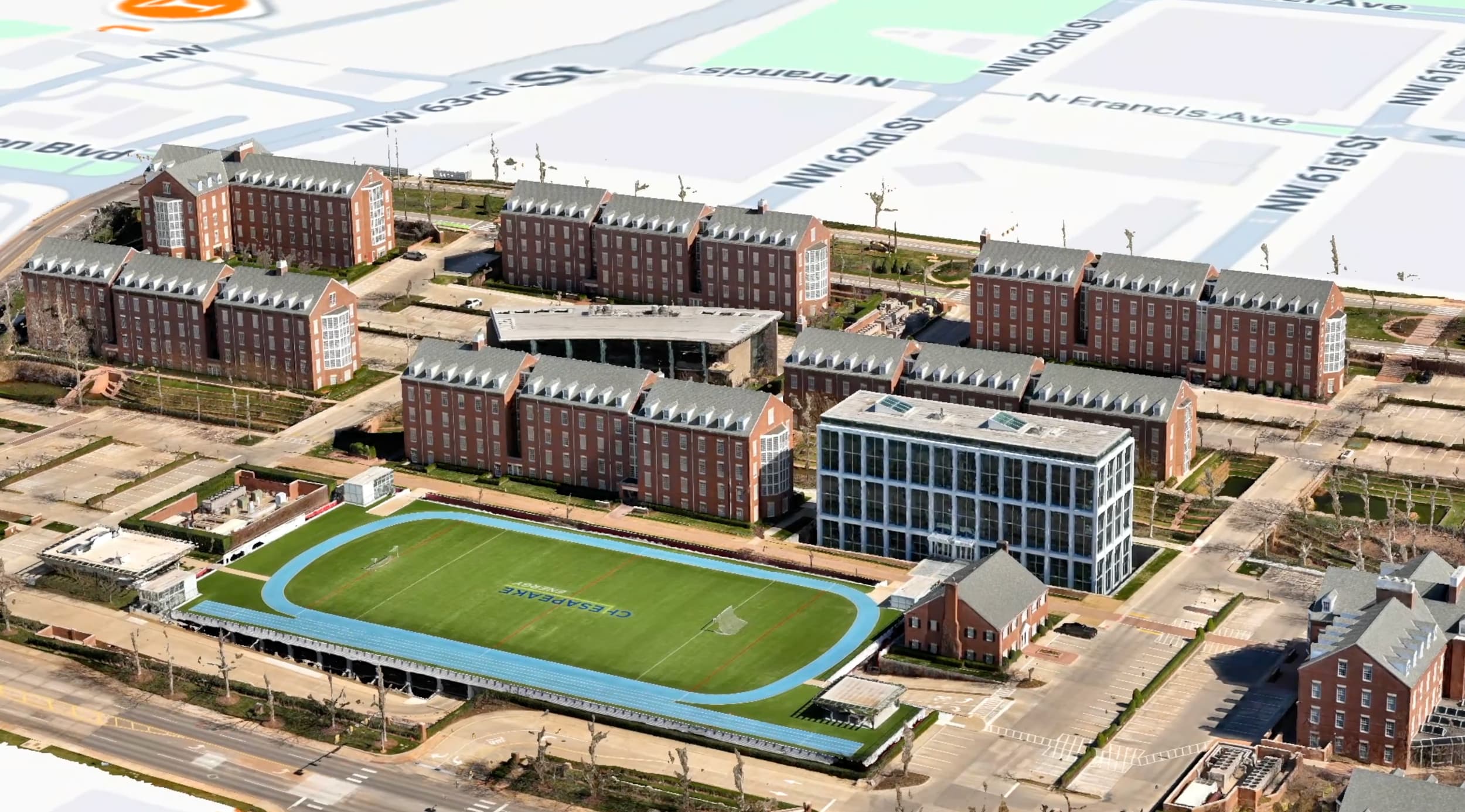
Scene overview, thermal on structures and terrain, and an aerial view of an incident while it's still developing.
Covering ground a walking line would take hours to clear, so the ground effort concentrates where it's most likely to matter.
Families and landowners searching for missing people or livestock across acreage that can't be covered on foot at night.
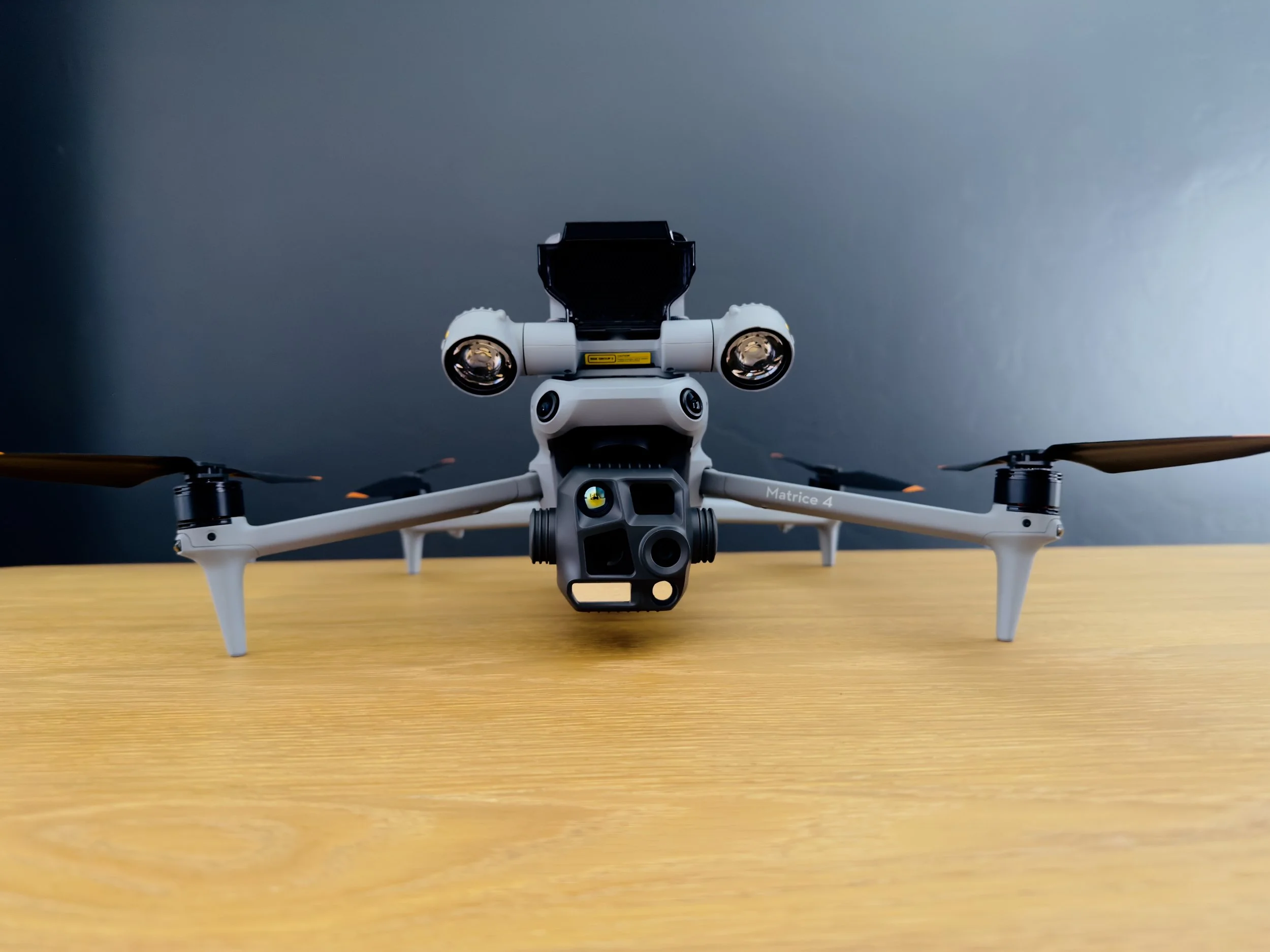
One aircraft carries the whole capability: a thermal camera that doesn't need visible light, a high-powered spotlight for wide-area night coverage, AI detection that flags shapes and movement, and a loudspeaker for communicating from the air.
It's the same thermal platform used for industrial inspection work, which means the sensor and the operator both have hours on them before anything urgent happens.
Matrice 4 ThermalThe DJI Matrice 4 Thermal: thermal camera, spotlight, AI detection, loudspeaker.
 Thermal · Search
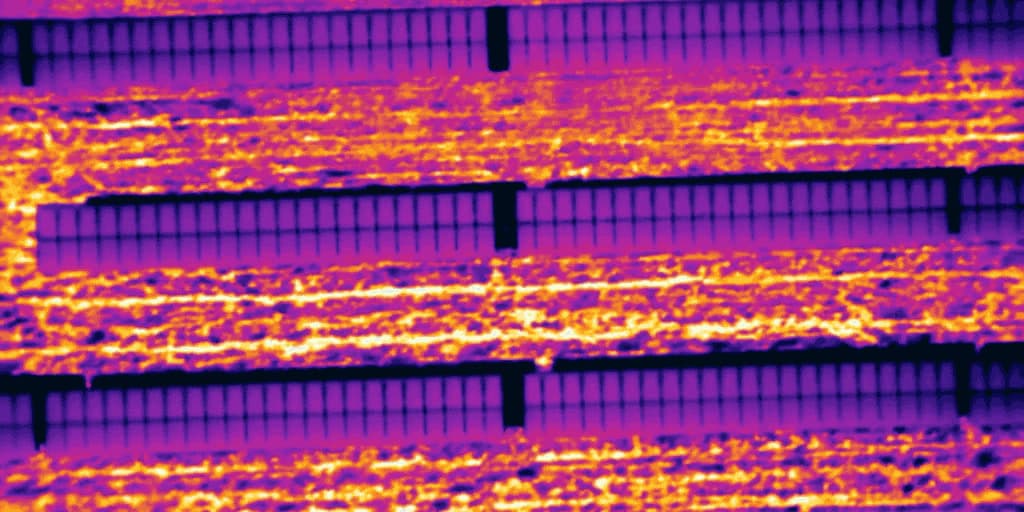
Radiometric thermal in darkness — heat signatures where a visible-light camera sees nothing.
 Airframe
The airframe on the ground between sorties.
Get in touch as early in a search as possible — an aerial asset is most valuable in the first hours, before the search area has expanded. Call rather than email if it's live.
Yes. This is support work — the aircraft is tasked by whoever is running the search, flies the area they assign, and feeds findings back to them. It doesn't run its own parallel search.
Sometimes, and it's honest to say it isn't guaranteed. Heavy canopy blocks a thermal signature the same way it blocks a visual one. Thermal is decisive in open ground, at night, in water margins, and on terrain a ground line would take hours to clear.
It flags shapes and movement in the thermal feed for the operator to check. It doesn't decide anything — it catches what a human scanning a screen in the middle of the night starts to miss after the first hour.
Contact us — this isn't a service anyone should be pricing from a web page in the middle of an emergency.
Yes — the metro and rural central Oklahoma routinely, and further for larger operations. Terrain and distance affect how quickly an aircraft can be over the search area, so distance is worth mentioning on the first call.