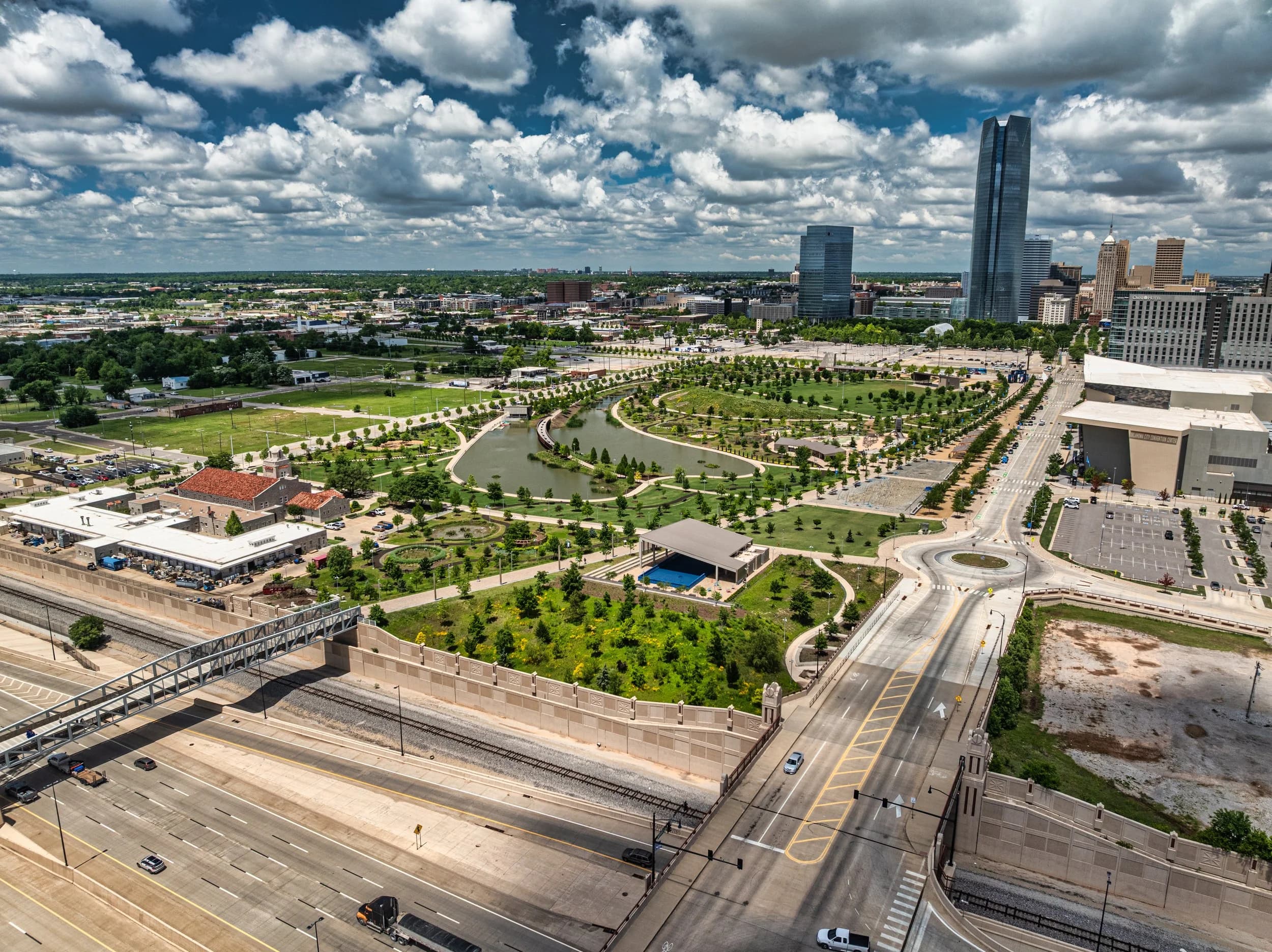
Professional aerial cinematography by an IMDb-credited drone operator. Traditional cinema drone work favors stability, wide establishing shots, and slow, controlled tracking, built to match a production's visual language, not override it.
Every project gets its own treatment: smooth and understated for one film, bold and composition-forward for the next. See Film & TV credits below for the range.
Aerial units slot into an existing post workflow. Everything below is specified to match what the rest of the shoot is already doing.
Every take at full resolution in log, unclipped and unsharpened, with the aerial unit's own file naming carried through.
The takes the director marked on the day, separated out so an assembly can start before the full transfer lands.
Shot, take, lens, altitude, and timecode logged per flight — the aerial unit's equivalent of a camera sheet.
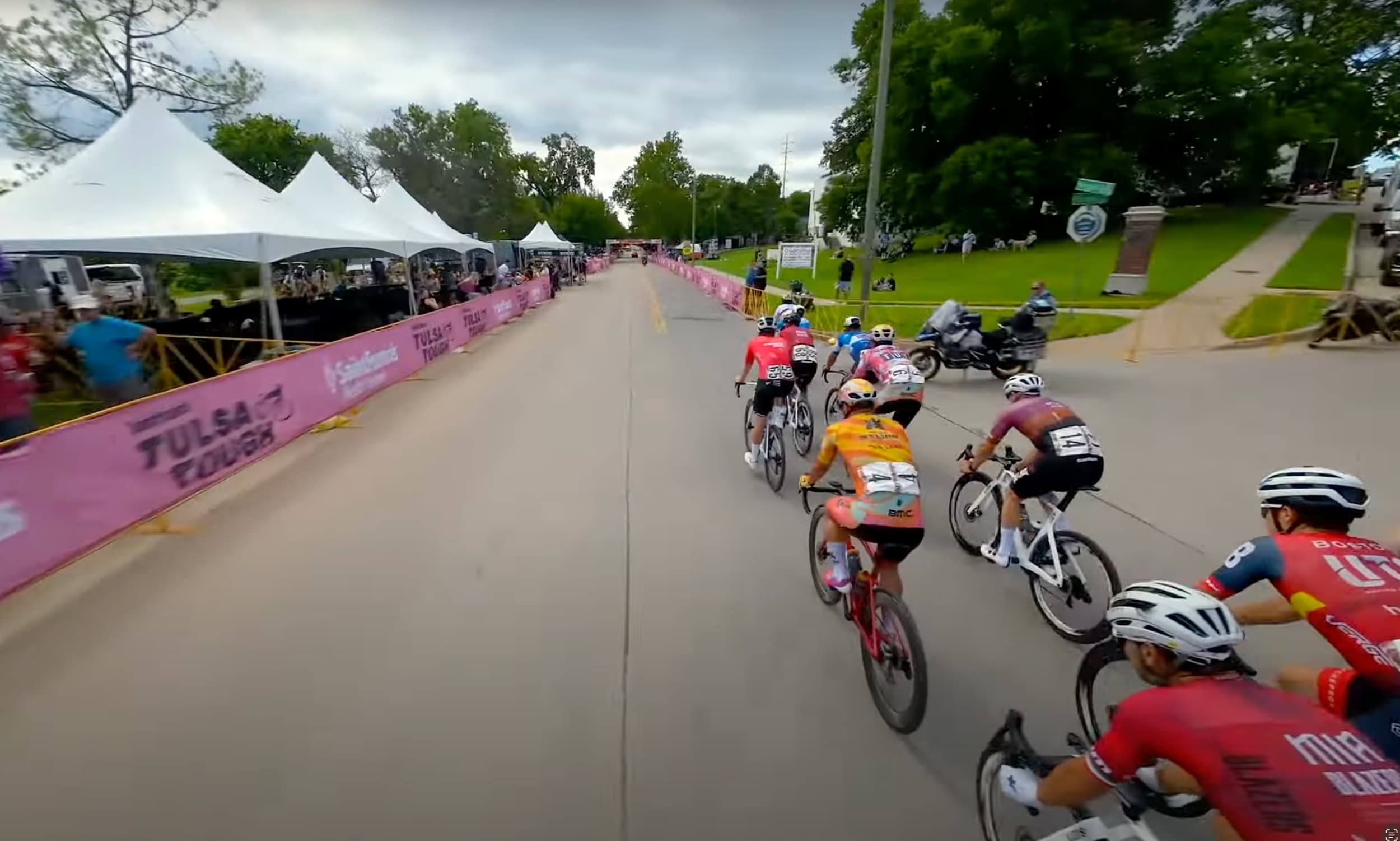
Where the sequence calls for it, FPV flown as a second aerial unit on the same day, matched to the main camera's look.
5 features
IMDb-credited
1st place
Made in Oklahoma – Films
Part 107
Certified & insured
An aerial unit that imposes its own house look is a problem in the edit. Every project here gets its own treatment, decided before the shoot day.
We work from the director's boards and reference, not a reel. Which moves, in which scenes, and what they're doing narratively — that conversation happens well before a call sheet.
PrepLocation scout, obstruction survey, and airspace authorisation for the shoot days. Aerial units get one window; nothing about it should be discovered on the morning.
Part 107Cinema rig for stability, wide establishing frames, and slow deliberate tracking; FPV where the sequence needs speed or a continuous move. Both fly from the same unit on the same day.
Cinema · FPVFiles matched to the production's LUT and codec, camera reports attached, and handed to the DIT or post house in the shape they asked for.
ConformedFive features so far, each with a different job for the drone.
Establishing shots that set geography, and tracking moves that carry a scene between locations. Matched to the film's grade rather than delivered as a separate look.
Repeatable aerials across a run — the same approach to the same location, episode after episode, so the series reads as one piece.
Location and scale on a small crew and a tight schedule, where the aerial unit is often also the second camera.
Advertising work shot to a boarded spot, with the aerial moves timed to a cut that already exists on paper.
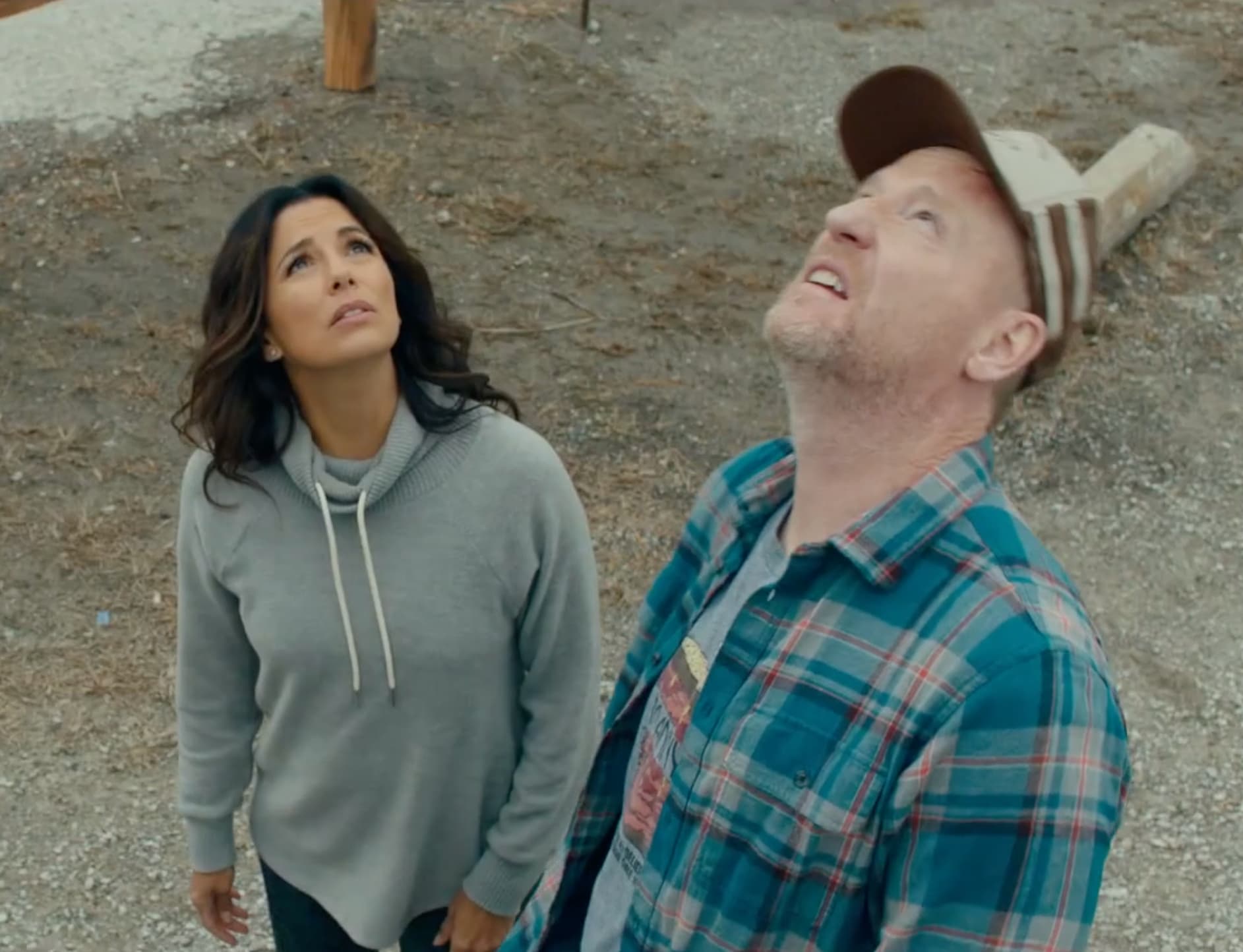
Unplugging, starring Eva Longoria and Matt Walsh, took smooth transitions and natural pacing — subtle work about isolation and connection. 1717 Primrose went the other way: bold visuals and a strong focus on composition.
Possessions is darker and more intense, with tighter controlled movements. Narco Mennonites is built on energy and motion. The Nature of Romance takes a softer touch, smooth and flowing. Same operator, five different visual languages — which is the point.
Unplugging · FeatureAerial still from Unplugging, starring Eva Longoria and Matt Walsh.
 Possessions · Feature
Possessions — darker, tighter, more controlled aerial movement.
 Production · Truck
Working inside the production truck: the aerial unit as part of the crew.
Yes — credited aerial cinematography across five features: Unplugging, 1717 Primrose, Possessions, Narco Mennonites, and The Nature of Romance. The work has also taken First Place, Made in Oklahoma – Films.
Yes. Part 107 certification, our own liability cover, and airspace authorisations are all in place, and we supply certificates and waivers to production in advance rather than on the day.
Yes, nationwide. Oklahoma City is home, but the aerial unit travels for productions and travel is quoted up front rather than added afterwards.
As much as you can give, mostly for airspace. A rural location can be turned around quickly; controlled airspace, a stadium, or anything near an airport needs the authorisation to be in motion well before the shoot day.
That's the intention. Give us the camera body, frame rate, and LUT the production is running and the aerials are shot and conformed to it. An aerial unit that looks like a different film is a problem you'd have to fix in the grade.
Yes, as a second aerial unit. FPV covers the sequences a cinema rig can't fly — continuous interior moves, tight geometry, and anything that needs to be fast and close. It goes up the same day as the main aerial rig.