Cinematic video production tailored to your brand, not a stock aerial pass dropped into somebody else's edit. Moves are planned around the cut: the reveal that opens the spot, the push that carries a voiceover, the pull-back that ends it.
Traditional cinema rigs handle the smooth, stable, deliberate work; FPV takes over when a shot needs to be fast, close, and kinetic. Both fly the same day when a project calls for it, and footage is delivered graded and edit-ready.
Footage is delivered graded and organised, so an editor can open the folder and start cutting instead of spending a day sorting clips.
The finished aerial footage at full resolution, colour-graded and conformed to the look of the rest of the production.
The usable takes, trimmed and labelled by shot, so the edit starts from a shortlist rather than the full card.
Ungraded source footage in the camera's native codec, for productions running their own colour.
Vertical and square versions of the key moves, reframed rather than centre-cropped, for feed and story placement.
Where the brief calls for it, one-take fly-throughs and kinetic chase moves a cinema rig physically cannot fly.
3-5 days
Typical turnaround
4K
Minimum capture resolution
2 rigs
Cinema & FPV, same day
A reveal that opens a spot and a push that carries a voiceover are different flights. Deciding which one you need before the day is the whole job.
Where does the aerial sit in the finished piece — the opener, the transition, the last beat? That answer sets the move, its length, and whether it needs to start or end on something specific.
Shot planCinema rig for smooth, stable, deliberate moves. FPV for fast, close, and kinetic. Some projects want both, and both go up the same day rather than across two bookings.
Cinema · FPVEvery move shot multiple times, with handles at both ends so the edit has somewhere to cut. A one-take FPV run gets as many attempts as the battery and the light allow.
Multiple takesFootage graded to match the production's look, cut down to selects, and exported in the formats your post workflow already speaks.
Edit-readyAerial video is expensive if it's decoration and cheap if it's doing a job. These are the briefs where it's doing a job.
The establishing shot that sets scale in three seconds, and the closing pull-back that lands the tagline. Planned to the script rather than shot wide and cropped down in the edit.
Sites and crowds shot at a scale that sells the next one. Flown around a live schedule, with the aircraft choice driven by how close to people the shot needs to get.
Fly-throughs and site context for commercial listings and build-outs, cut for a marketing piece rather than a walkthrough.
Continuous FPV one-takes through a building, a factory floor, or a course — the shot that reads as a single unbroken move because it is one.
The same rigs and the same pilot behind the IMDb-credited film work fly the commercial video, which is why the moves are built to cut rather than to impress on their own.
Cinema and FPV both live in the case. Three seasons of live broadcast for ESPN and Tulsa Tough is what proves they can be flown under time pressure.
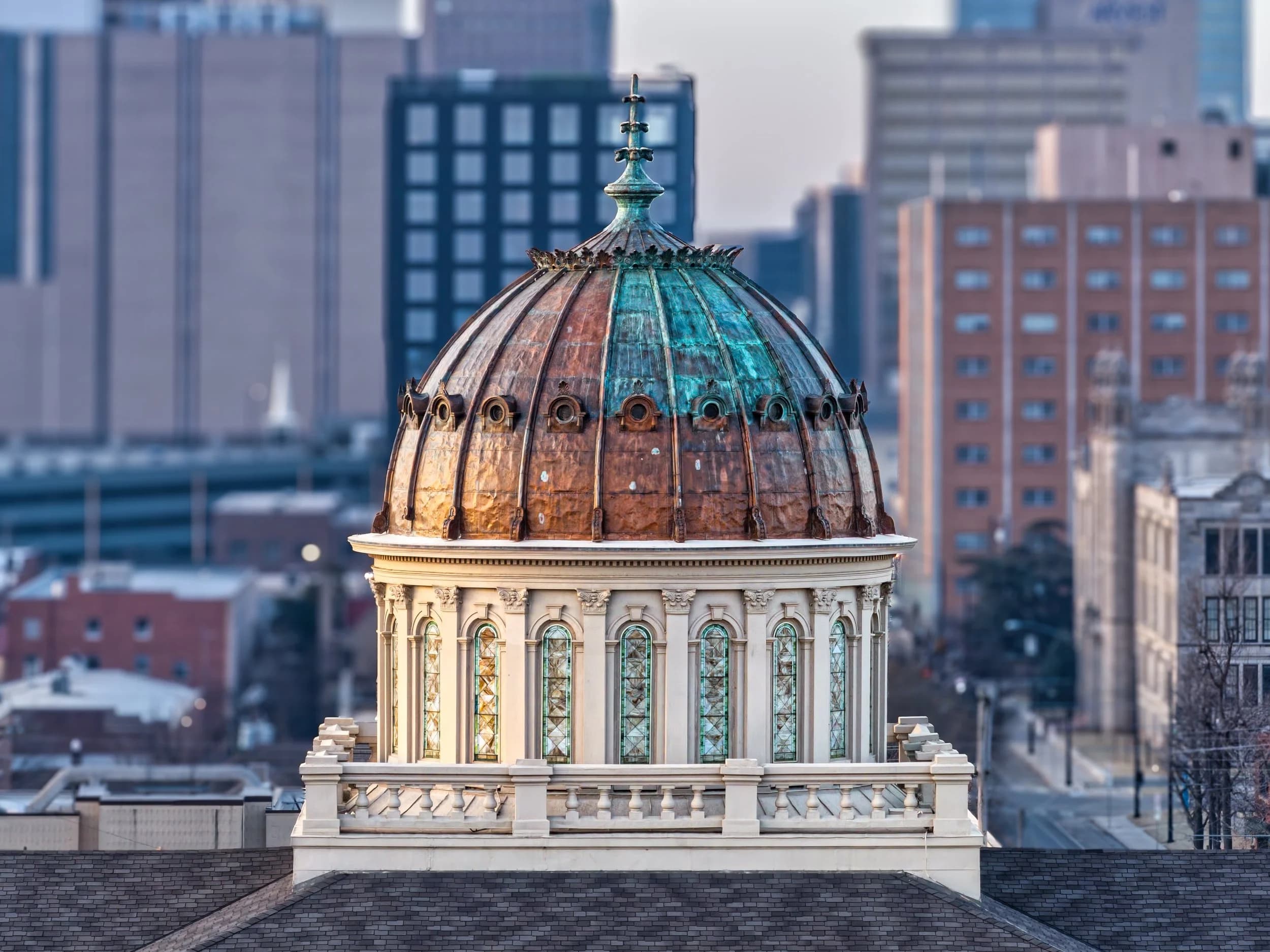
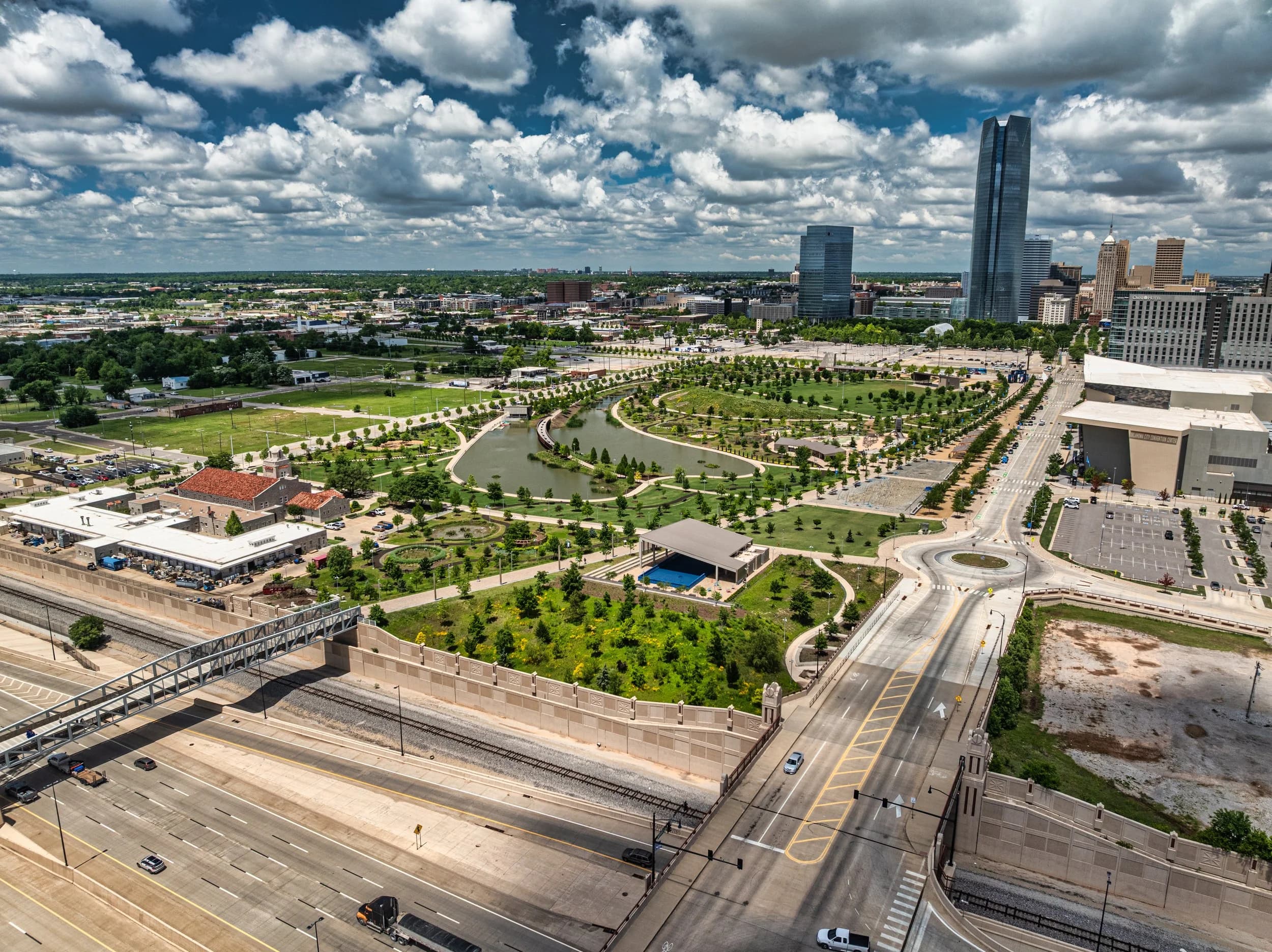
Scissortail · SkylineOklahoma City skyline over Scissortail Park — the establishing move for a city spot.
 Riversport OKC
Riversport district from the air: venue context in a single pass.
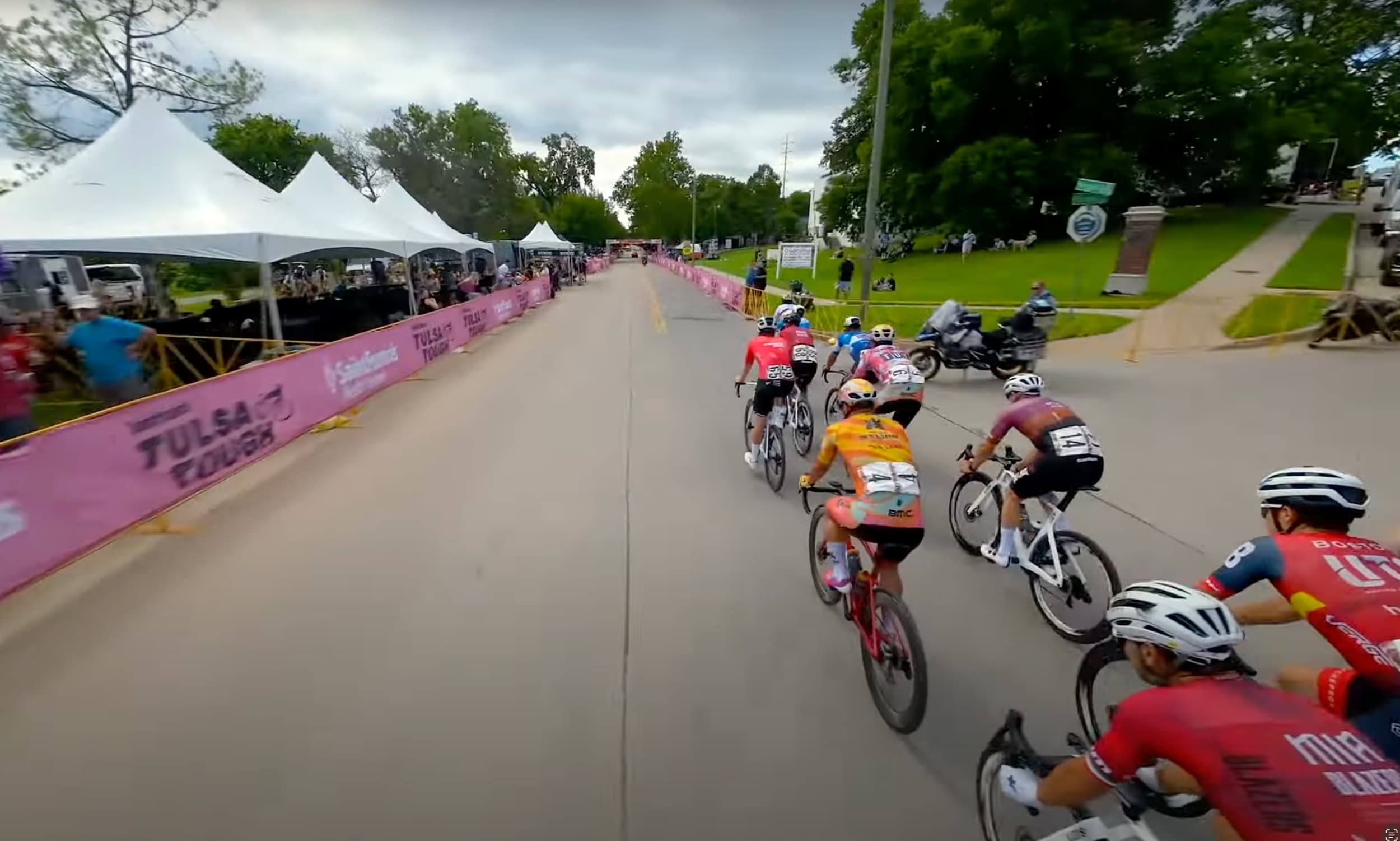
 Tulsa Tough · FPV
FPV chase over the Tulsa Tough peloton — kinetic, close, and live.
Both are available. The standard deliverable is graded, organised footage that drops into your editor's timeline. If you don't have an editor, we can cut the finished piece instead — say which you need at the brief stage, because it changes what we shoot.
A cinema rig gives you smooth, stable, repeatable moves — the shots an edit can rely on. FPV gives you speed, proximity, and continuous one-takes through spaces a larger aircraft can't safely enter. Most projects want the first; the memorable shot is usually the second.
A single location with a handful of moves is a half day. Multiple locations, or a shot list that needs both golden hour and daylight, runs to a full day or two. Battery cycles, not enthusiasm, are the limiting factor.
Yes, and it's worth setting up. Give us the camera, frame rate, and LUT the main unit is using and the aerials will conform to it, so the drone shots don't announce themselves in the cut.
FPV, yes — factory floors, arenas, venues, and interiors are a large part of what FPV is for. Indoor flights are planned differently: no GPS, tighter margins, and a walk-through before anything spins up.
There's no flat rate. Price follows the shot list, the number of locations, whether FPV is involved, and how much post you want on the back end. You get a fixed quote up front rather than an hourly meter.