Aerial cinematography has changed the way stories are told on screen. It is no longer just about getting a shot from above. It is about movement, timing, and emotion. Every frame is planned with intent.
FPV work covers action sports, cinematic fly-throughs, live events, and commercial and marketing shoots: fast, close, and deliberately kinetic in a way a traditional cinema drone isn't built for.
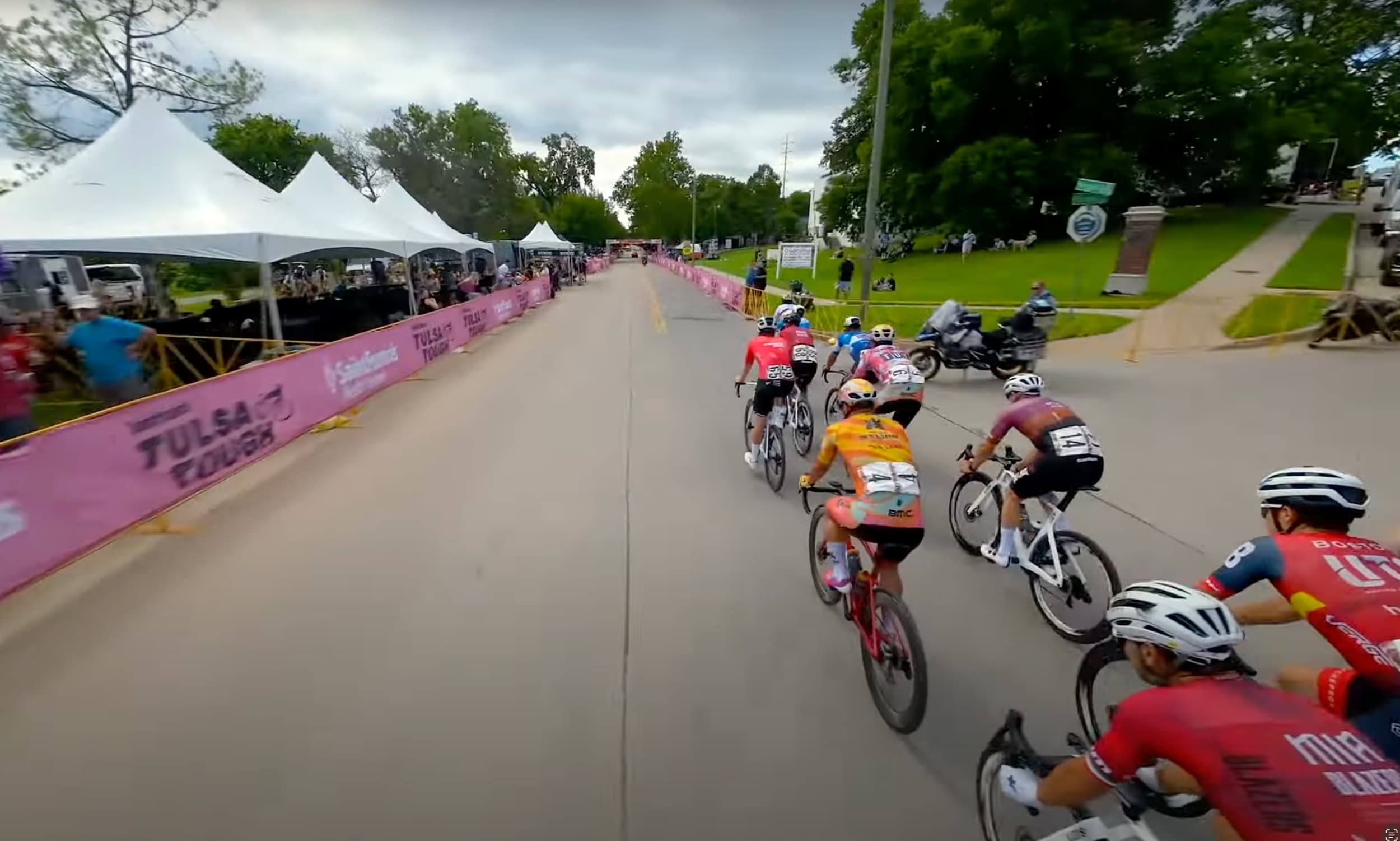
FPV is a different aircraft and a different discipline. What comes back is footage with momentum — proximity, speed, and unbroken takes.
A continuous run through a space — building, venue, course, or factory floor — delivered as an unbroken move with no hidden cuts.
Riders, vehicles, and athletes followed at speed and at distance, matched to the subject rather than watched from above.
The FPV camera as a live source into a broadcast, rather than footage recovered afterwards.
Vertical reframes of the strongest moves — FPV footage performs on a phone in a way conventional aerials don't.
3 seasons
Live FPV: ESPN & Tulsa Tough
4-6 min
Per FPV battery
Part 107
Certified & insured
An FPV run is choreography. The route gets walked before it gets flown, because at that speed there is no time to make decisions in the air.
The path is scouted on foot first: gaps, doorways, obstacles, and the people who'll be in it. Every tight passage is measured rather than judged from the monitor.
ScoutWhere the run starts, what it passes, and what it lands on. FPV shots read as one move, so the whole sequence has to be decided before the first attempt.
BlockingThe take that works is rarely the first. Runs are flown back to back on fresh batteries until the timing, the line, and the light all land in the same pass.
Multiple takesFootage stabilised where the move needs it and graded to sit with the rest of the production, then cut down to the takes worth keeping.
Edit-readyNot a faster version of a cinema drone — a different tool, with a narrow set of jobs it does better than anything else.
Cycling, motorsport, and anything moving fast enough that a static aerial loses it. The camera travels with the subject at the subject's speed.
One continuous move through a building, a venue, or a production line, replacing what would otherwise be a sequence of cuts.
FPV as a live broadcast camera — flown into the action and cut to in real time, which is exactly what three seasons at Tulsa Tough required.
The single shot a campaign gets remembered for: close, fast, and impossible to mistake for stock footage.
FPV here isn't a showreel discipline. It has been flown as a live broadcast camera for three seasons of Tulsa Tough and for ESPN — into a moving peloton, with a director cutting to it in real time.
That's a harder test than a commercial shoot: there is no second take, and the shot either arrives clean or it doesn't arrive.
Tulsa Tough · Live FPVFPV drone chasing the Tulsa Tough peloton, live to broadcast.
 ESPN · FPV Operator
Daren Clodio flying FPV on an ESPN production.
 Peloton · Chase
Close chase through the peloton — proximity a cinema rig can't safely reach.
It is when it's planned that way. FPV aircraft flown near people use prop guards, the route is walked and measured before it's flown, and the flight is scoped with whoever runs the site. Three seasons of live cycling coverage is the practical answer: close to riders, on live television, without incident.
Because it takes more attempts. A cinema drone can nail a move in one or two passes; an FPV run through a tight space is flown repeatedly until the timing is right, and each run is a few minutes of battery. You're paying for the takes, not the aircraft.
Yes. The FPV feed runs through an SDR downlink into the production the same way a cinema drone feed does, so a director can cut to it live rather than waiting for footage. That's how it's used at Tulsa Tough.
Short — a few minutes per battery, by design. FPV airframes trade endurance for speed and agility. Shoots are built around that: many batteries, many runs, rather than one long flight.
Not always, but access control helps. What matters is knowing who will be inside the flight path and when. For live events the route is agreed with the organiser; for interiors, a walk-through beforehand usually removes the need to clear the space entirely.